
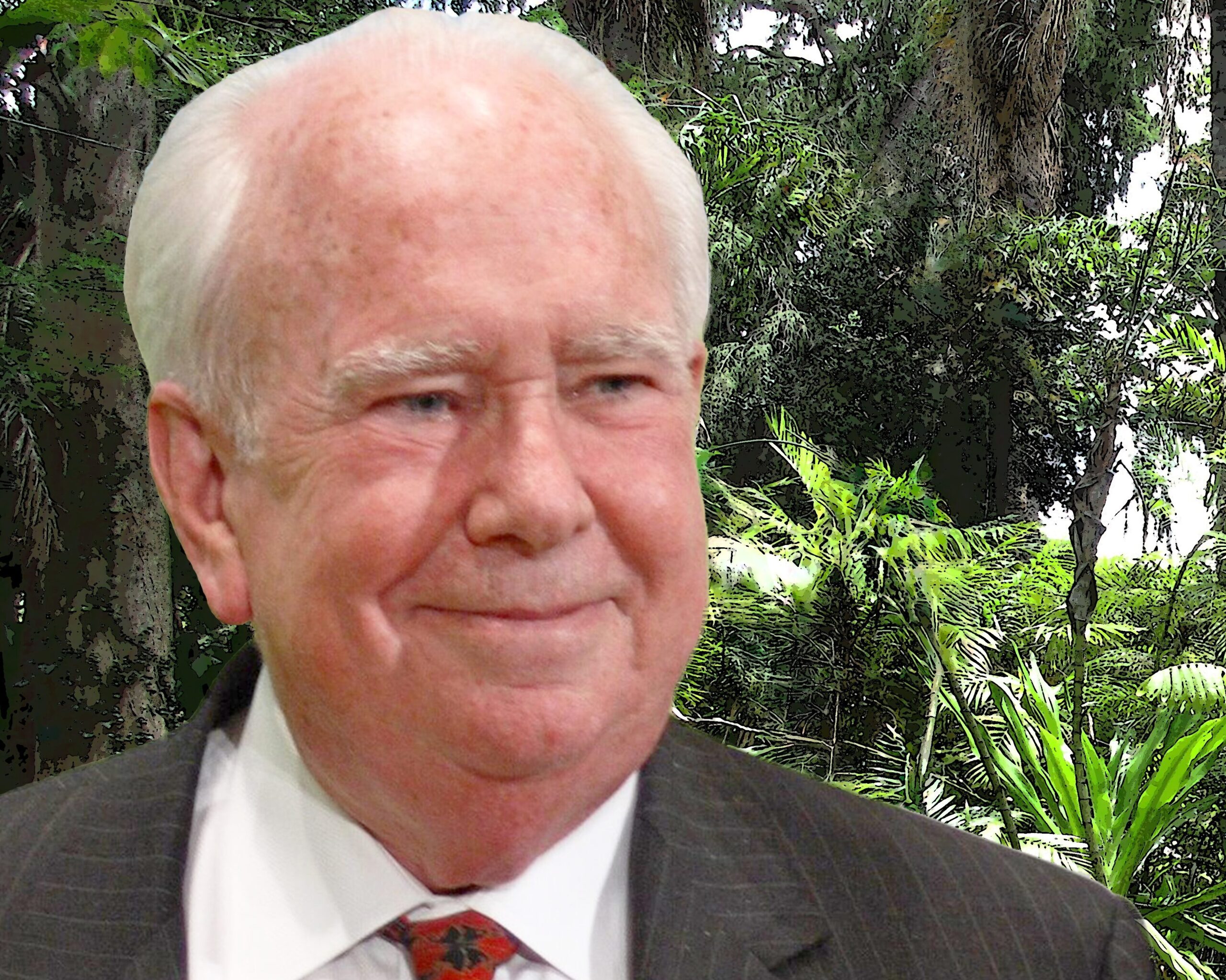
Peter Hamilton Raven, a world-renowned botanist, conservationist, and UCLA alum (Ph.D. ’60) passed away on April 25, at the age of 89.
Raven was an influential scientist and educator known for shaping our understanding of plant ecology and evolution. He authored or co-authored hundreds of scientific papers, including the seminal paper that coined the term “coevolution,” as well as dozens of textbooks, including Biology of Plants, an introductory botany text that’s been widely used for generations.
As president and director of the Missouri Botanical Garden for nearly 40 years, Raven led the garden through a massive transformation – expanding its influence and elevating its status to become an international leader in research, education, and conservation.
Perhaps his greatest contribution to science and society came from his keen ability to convey his deep knowledge of biodiversity to the public – in a way that everyone can understand, appreciate, and want to preserve it.
As an elected member of the National Academy of Sciences, the President’s Council of Advisors on Science and Technology, the American Academy of Arts and Sciences, 25 other international academies of science, and the Pontifical Academy of Sciences – Raven advised national and international leaders, including three popes, on environmental issues and conservation.
For his immense contributions to science and promoting the protection of Earth’s biodiversity, Raven received innumerable awards, including a MacArthur “genius award” Fellowship; the International Prize for Biology; and the Tyler Prize for Environmental Achievement, often referred to as the “Nobel Prize for the Environment.” He also received 22 honorary doctorates and the National Medal of Science, the nation’s highest scientific honor. In 1996, Time magazine named Raven a “Hero for the Planet.”
Raven’s California Roots
Growing up in the Bay Area, Raven’s appreciation for nature began at an early age. By age 12, he was collecting plant specimens for the Sierra Club. At 16, he discovered a new species of evening primrose: Clarkia Franciscana.
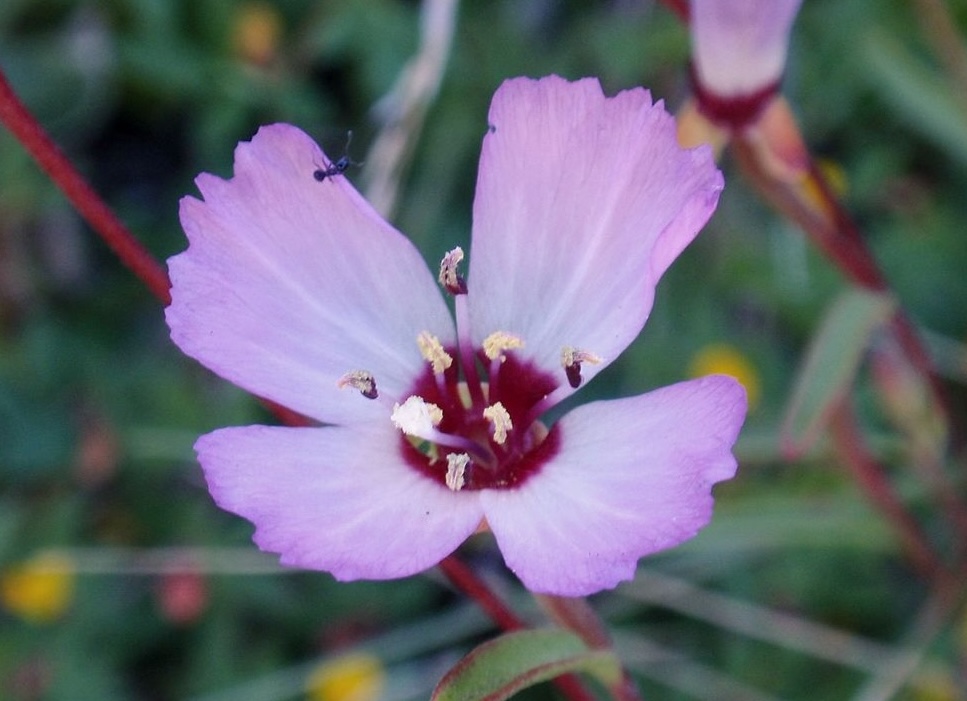
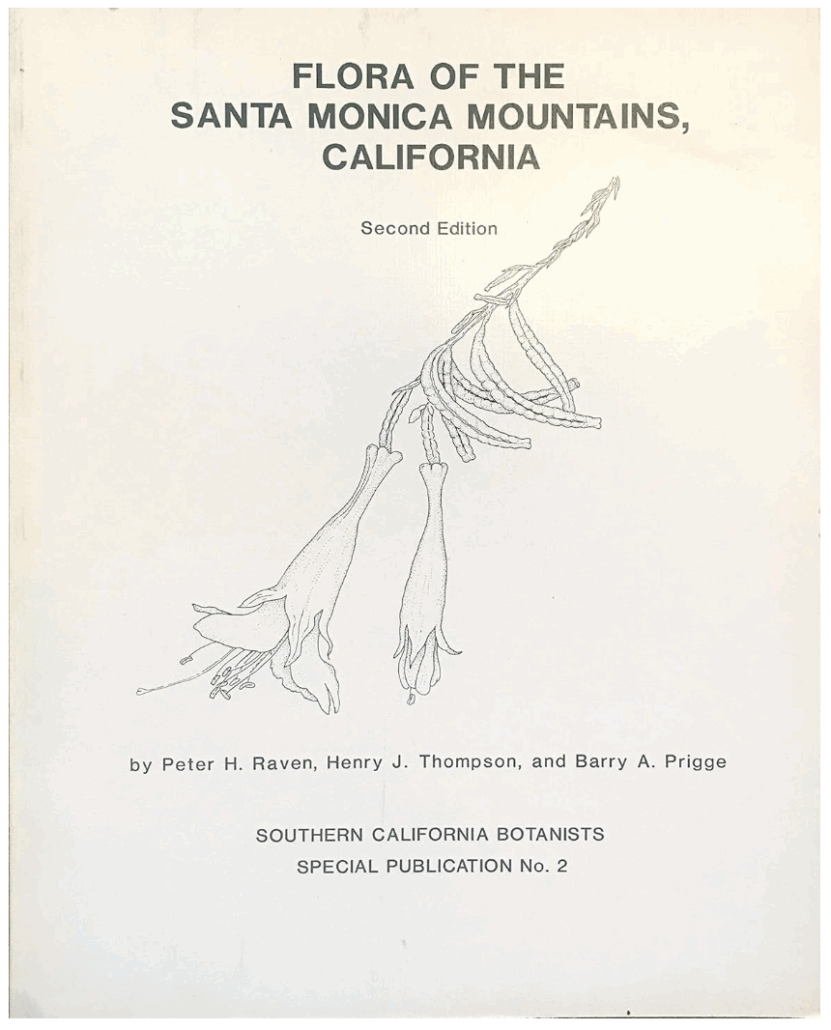
After earning his bachelor’s degree in biology at UC Berkeley, Raven came to UCLA in 1957 to study botany as a graduate student. He joined Professor Mildred E. Mathias on her first trip to study the flora of Baja California. Locally, he worked with colleagues at UCLA to document all the plants of the nearby Santa Monica Mountains, which resulted in the publication of the region’s first plant guidebook.
Mentored by plant geneticist and biology professor, Harlan Lewis, Raven focused his dissertation on the classification, biogeography and evolution of plants in the evening primrose family, Onagraceae. He received his Ph.D. from UCLA in 1960.
Connecting with UCLA audiences
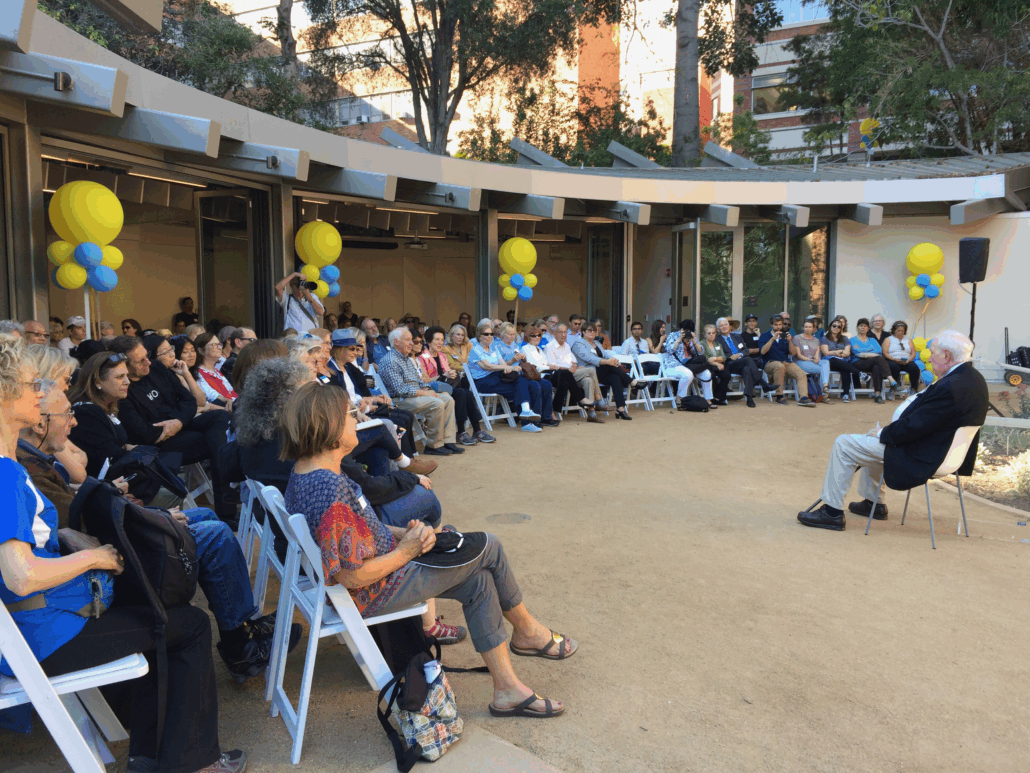
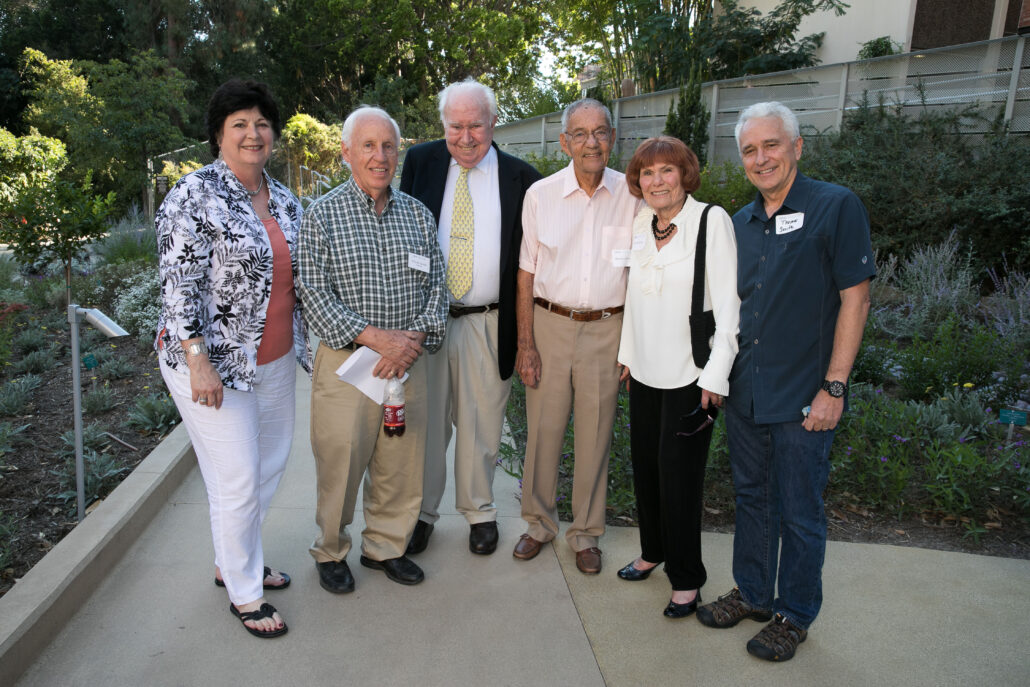
In 2017, Raven was invited to UCLA to give a distinguished lecture at the opening celebration of the La Kretz Garden Pavilion. He drew a large audience and engaged them with his personal stories, insights into conservation, and inspiring wisdom.
Peter Raven’s legacy and voice live on. In 2020, Raven was interviewed for a short audio piece, “California Floristic Province – Peter Raven,” made for the UCLA Mathias Botanical Garden. Part of the Garden’s audio series, Wander with a Naturalist, the recording was created for visitors to hear directly from Raven, while strolling among native plants of California.
Read more about Peter Raven’s legacy: