
UCLA Life Sciences
Three UCLA Life Sciences faculty members have received 2025-2026 Fulbright U.S. Scholar Awards from the U.S. Department of State and the Fulbright Foreign Scholarship Board.
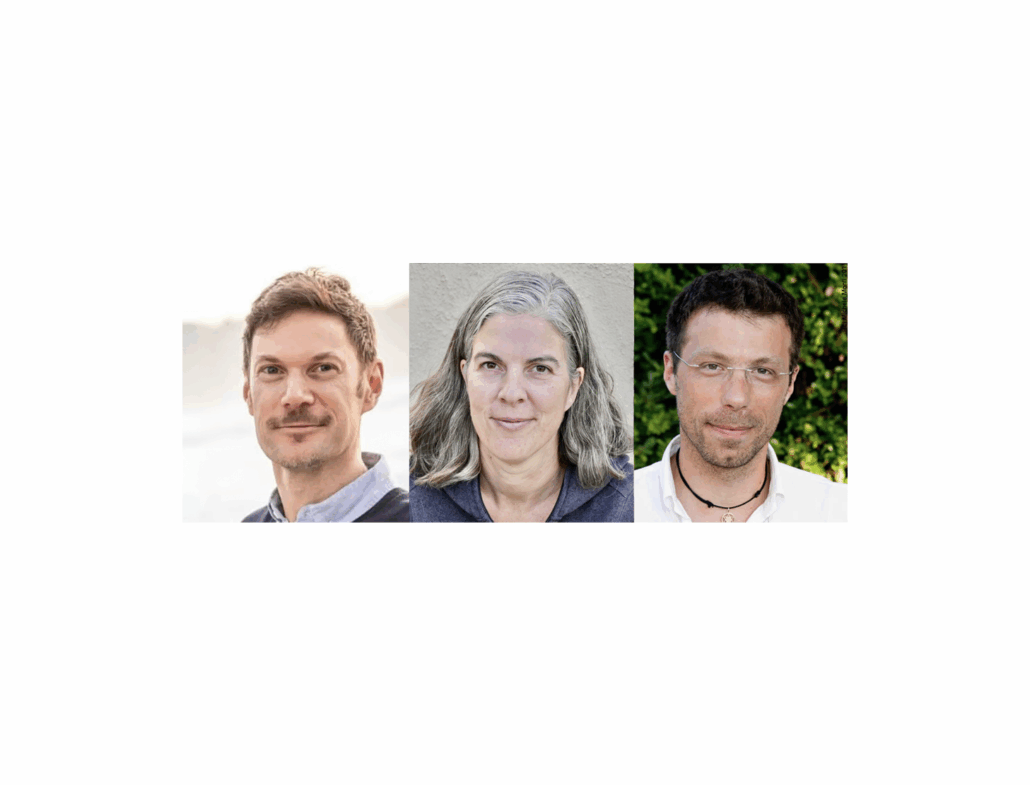
The Fulbright Scholars from our division–Patrick Allard, Jessica Lynch, and Martin Monti–will be conducting collaborative cutting-edge research in affiliation with institutes abroad, laying the groundwork for future international partnerships that are aimed at addressing complex global challenges.
Since 1946, the Fulbright Program has provided talented and accomplished students, scholars, teachers, artists, and professionals with the opportunity to study, teach, and conduct research abroad. Past Fulbright Scholars award recipients include 62 Nobel Laureates, 93 Pulitzer Prize winners, 82 MacArthur Fellows, 44 heads of state or government, and thousands of leaders across the private, public, and non-profit sectors.

Protecting human health and ecosystems from pesticides’ negative effects
Professor of society and genetics, UCLA College
Allard will be working with collaborators at the University of Montpellier and the ExposUM Institute to study how pesticide regulations are developed, implemented, and challenged across different regulatory landscapes. Together, they will compare stakeholder interviews, community engagement, and policies to see how biological and community-based evidence align with regulatory policies. Their research aims to identify regulatory loopholes and their origins, then propose concrete changes to strengthen protections around human and ecosystem health. Their work will lay the foundations for future collaborations by creating an international research laboratory at UCLA, that is dedicated to advancing interdisciplinary research at the intersection of biology, public health, and environmental policy.
Protecting the Amazon’s most endangered monkey
Professor of society and genetics, also of anthropology, UCLA College
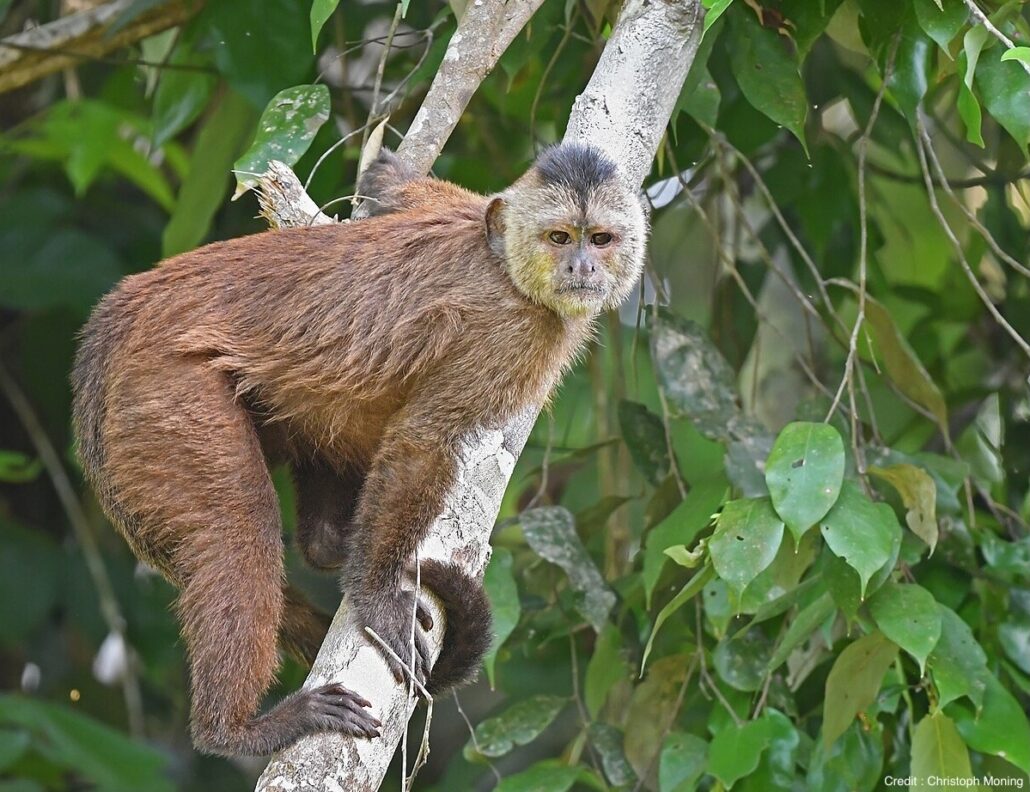
Lynch is collaborating with a network of Brazilian researchers at Brazil’s National Primate Center to integrate captive and wild primate research in Amazonia, then determine the best ways to enrich environments for the only captive population of the Ka’apor capuchin, Cebus kaapori. They will also establish an international captive breeding program for this critically endangered monkey. Lynch and her Brazilian colleagues have already conducted multiple expeditions to the tropical forest zone of the Marajó Archipelago to locate, study, and identify newly found populations of Cebus in the wild. They are also learning about local perceptions and interactions with primates in this largely unstudied remote region. This spring, Lynch will return to Brazil to advance this collaborative research, aiming to identify the most effective actions to protect this critically endangered primate from extinction.

Determining “consciousness” in coma patients
Professor of psychology, UCLA College
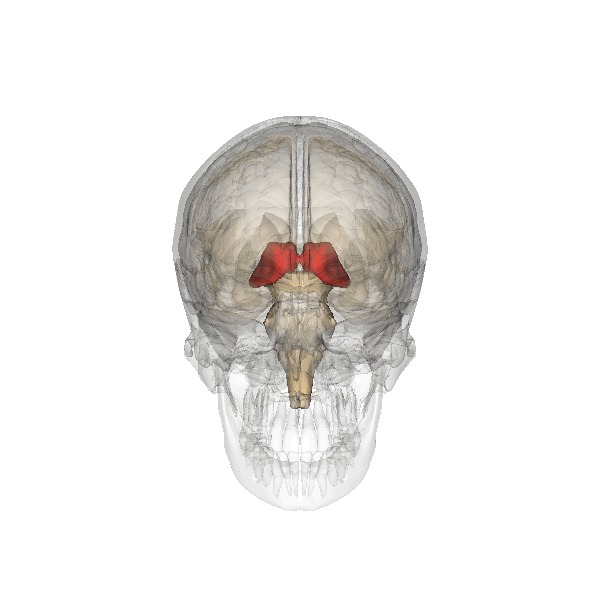
As a Fulbright U.S. Scholar, Monti will work with his collaborator at the University of Tokyo to bridge the theoretical neuroscience expertise of his colleague with his own translational research. Previous research indicates that 20-30% of patients who appear unconscious after brain injury (e.g., in a coma/vegetative state) might be partially conscious. This is difficult to detect with the conventional clinical tools currently available. Alongside colleagues at the University of Tokyo, Monti will test whether heat loss in certain regions of the brain can be validated as a biological indicator for detecting when patients start to regain consciousness after a coma. This could provide more accurate diagnoses and prognoses in these critically ill patients.
****