
“Primed” stem cells may be better for use in regenerative medicine
Professor Amander Clark and UCLA colleagues find that “naïve” stem cells, commonly used regenerative medicine studies today, are not as stable as “primed” stem cells.

Professor Amander Clark and UCLA colleagues find that “naïve” stem cells, commonly used regenerative medicine studies today, are not as stable as “primed” stem cells.

A study led by A. Janet Tomiyama, an assistant professor of Psychology, finds that using BMI to gauge health incorrectly labels more than 54 million Americans as “unhealthy,” even though they are not.

Jaana Juvonen, professor of Psychology, leads a new study that shows that the most tormented children — can be helped by teaching bystanders to be more supportive

UCLA psychologists report people on social media are often unsupportive of cyberbullying victims who have shared highly personal feelings
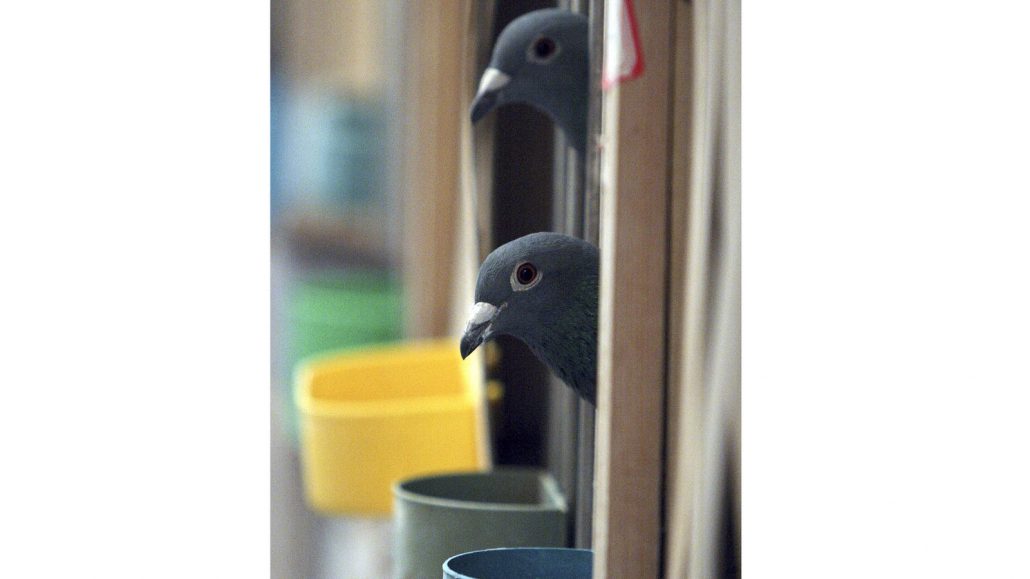
UCLA scientists find that despite air pollution, racing pigeons on the North China Plain actually flew faster on days when the air quality was worse.
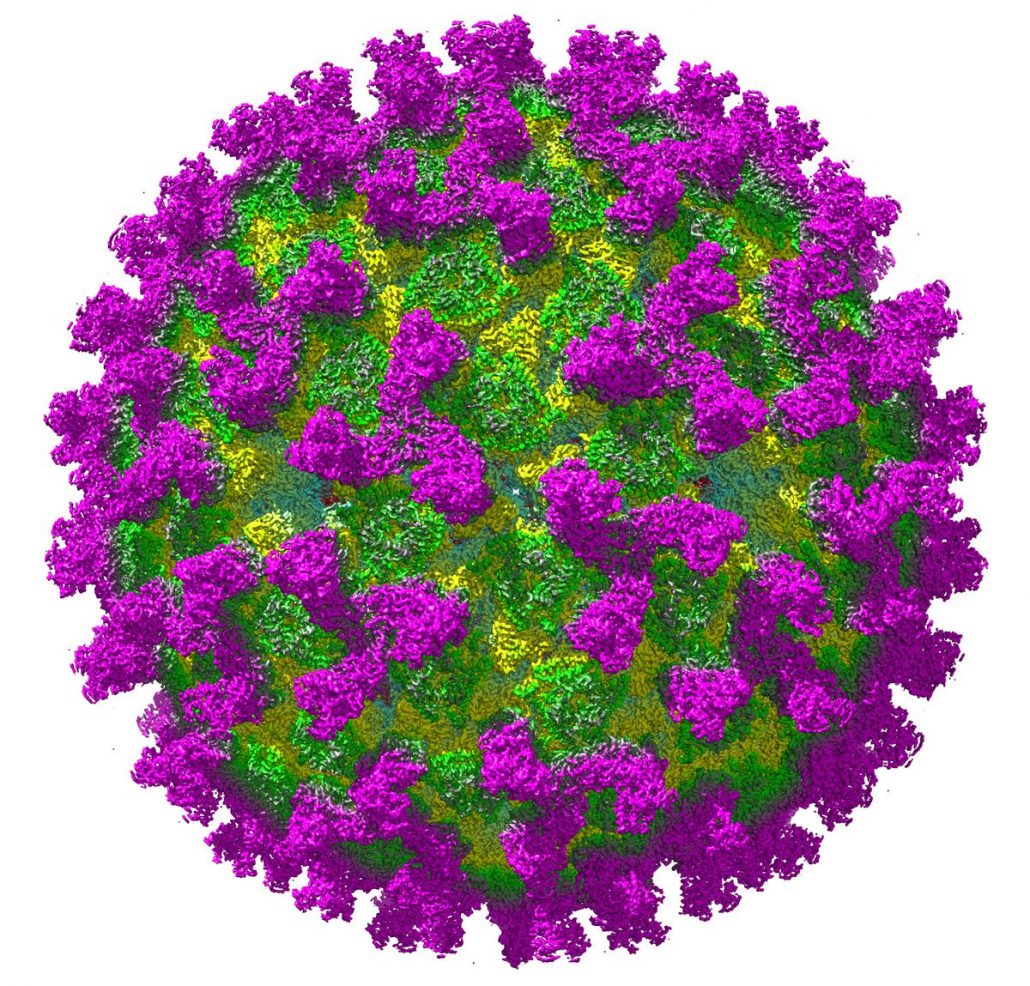
Hong Zhou, professor of microbiology, immunology and molecular genetics, collaborated with colleagues at the London School of Hygiene and Tropical Medicine to discover the virus’s two-step process for infecting healthy cells.

Ecology and Evolutionary Biology Professor, Robert Wayne, will lead a collaboration of 5 UC campuses in a DNA-based biodiversity survey across California.

UCLA psychologists– with senior author, Ladan Shams, associate professor of Psychology– recently published findings showing that our senses are far from flawless

UCLA researchers, led by Owen Witte– director of the UCLA Broad Stem Cell Research Center and professor of microbiology, immunology and molecular genetics– have pinpointed five specific enzymes called protein kinases that play a role when prostate cancer spreads to bone. The discovery could point the way toward new drugs that slow or stop prostate cancer from spreading.
