


















 https://wp-misc.lifesci.ucla.edu/divisional/wp-content/uploads/sites/3/2024/04/AAAS-Tom-Smith.png
1181
1870
barberchoi
https://wp-misc.lifesci.ucla.edu/divisional/wp-content/uploads/sites/3/2020/09/Bxd_Blk_LifeSciences_B-1030x306.png
barberchoi2024-04-26 11:04:032024-04-26 12:46:30UCLA conservation biologist Thomas Smith among newest members elected to American Academy of Arts and Sciences
https://wp-misc.lifesci.ucla.edu/divisional/wp-content/uploads/sites/3/2024/04/AAAS-Tom-Smith.png
1181
1870
barberchoi
https://wp-misc.lifesci.ucla.edu/divisional/wp-content/uploads/sites/3/2020/09/Bxd_Blk_LifeSciences_B-1030x306.png
barberchoi2024-04-26 11:04:032024-04-26 12:46:30UCLA conservation biologist Thomas Smith among newest members elected to American Academy of Arts and Sciences
https://wp-misc.lifesci.ucla.edu/divisional/wp-content/uploads/sites/3/2024/04/AAAS-Tom-Smith.png
1181
1870
barberchoi
https://wp-misc.lifesci.ucla.edu/divisional/wp-content/uploads/sites/3/2020/09/Bxd_Blk_LifeSciences_B-1030x306.png
barberchoi2024-04-26 11:04:032024-04-26 12:46:30UCLA conservation biologist Thomas Smith among newest members elected to American Academy of Arts and Sciences
https://wp-misc.lifesci.ucla.edu/divisional/wp-content/uploads/sites/3/2024/04/AAAS-Tom-Smith.png
1181
1870
barberchoi
https://wp-misc.lifesci.ucla.edu/divisional/wp-content/uploads/sites/3/2020/09/Bxd_Blk_LifeSciences_B-1030x306.png
barberchoi2024-04-26 11:04:032024-04-26 12:46:30UCLA conservation biologist Thomas Smith among newest members elected to American Academy of Arts and Sciences https://wp-misc.lifesci.ucla.edu/divisional/wp-content/uploads/sites/3/2024/04/Melis-Çakar-UCLA-grad-slam-2024.jpeg
1158
2054
barberchoi
https://wp-misc.lifesci.ucla.edu/divisional/wp-content/uploads/sites/3/2020/09/Bxd_Blk_LifeSciences_B-1030x306.png
barberchoi2024-04-25 11:00:432024-04-26 11:42:40Neuroscience doctoral candidate Melis Çakar wins UCLA Grad Slam – shedding light on how the cerebellum is involved in autism
https://wp-misc.lifesci.ucla.edu/divisional/wp-content/uploads/sites/3/2024/04/Melis-Çakar-UCLA-grad-slam-2024.jpeg
1158
2054
barberchoi
https://wp-misc.lifesci.ucla.edu/divisional/wp-content/uploads/sites/3/2020/09/Bxd_Blk_LifeSciences_B-1030x306.png
barberchoi2024-04-25 11:00:432024-04-26 11:42:40Neuroscience doctoral candidate Melis Çakar wins UCLA Grad Slam – shedding light on how the cerebellum is involved in autism https://wp-misc.lifesci.ucla.edu/divisional/wp-content/uploads/sites/3/2024/04/DNArenderinganirudh-unsplashcropped.jpg
800
1300
barberchoi
https://wp-misc.lifesci.ucla.edu/divisional/wp-content/uploads/sites/3/2020/09/Bxd_Blk_LifeSciences_B-1030x306.png
barberchoi2024-04-18 09:07:372024-04-26 12:07:48UCLA researchers find mutant DNA switches that tune activity of genes linked to cancer
https://wp-misc.lifesci.ucla.edu/divisional/wp-content/uploads/sites/3/2024/04/DNArenderinganirudh-unsplashcropped.jpg
800
1300
barberchoi
https://wp-misc.lifesci.ucla.edu/divisional/wp-content/uploads/sites/3/2020/09/Bxd_Blk_LifeSciences_B-1030x306.png
barberchoi2024-04-18 09:07:372024-04-26 12:07:48UCLA researchers find mutant DNA switches that tune activity of genes linked to cancerEvents
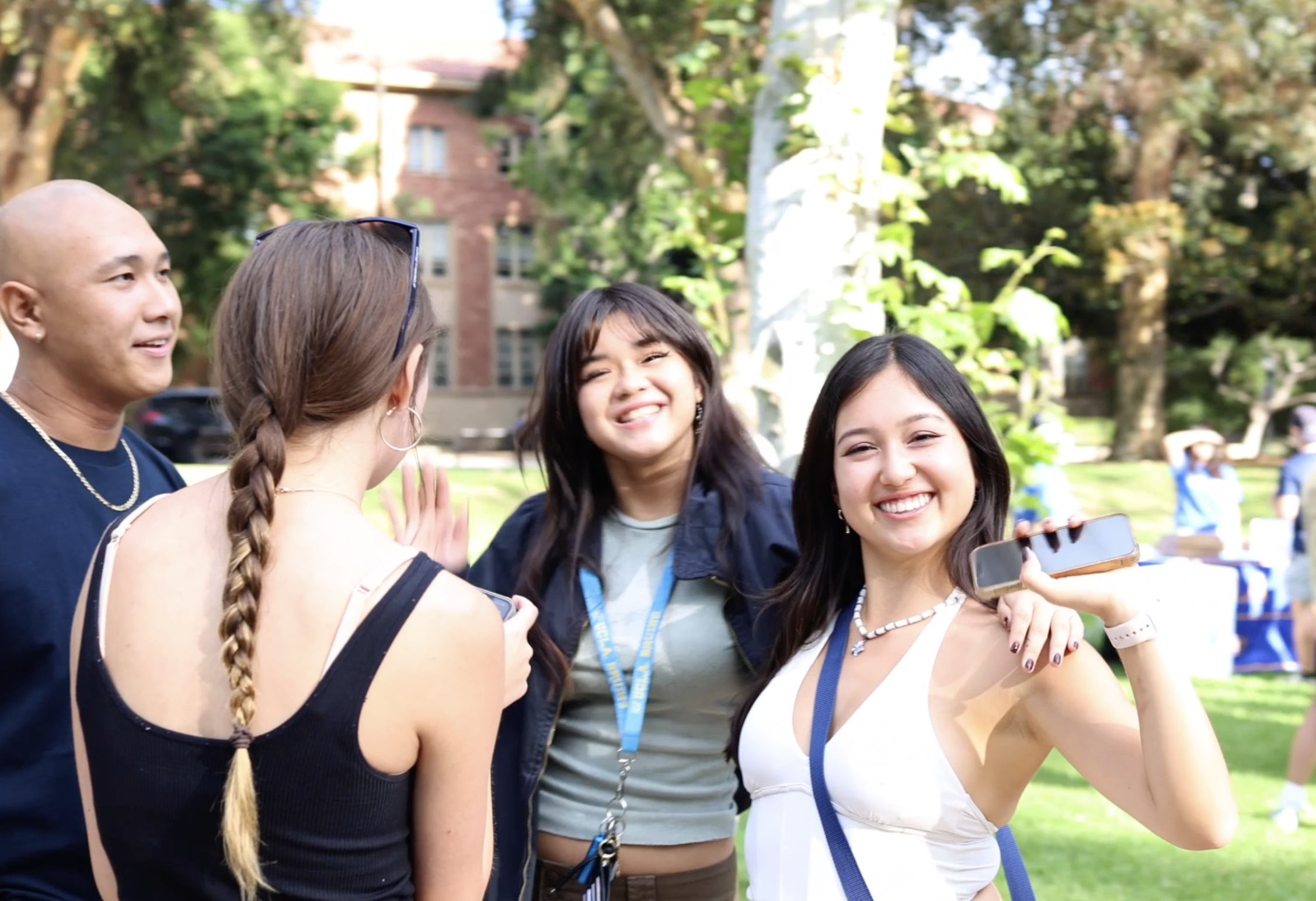
Dean’s Message
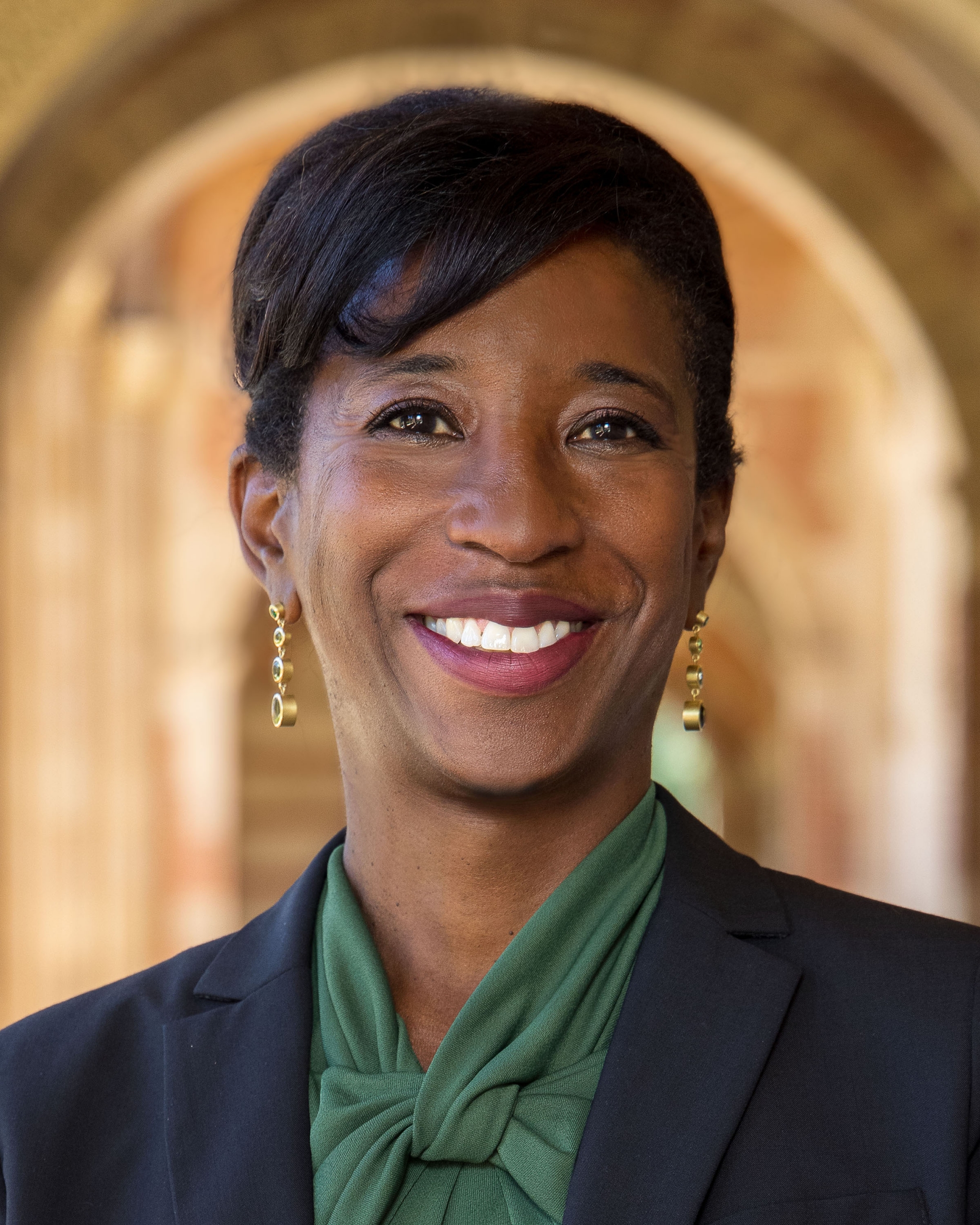
The importance of innovative science and education has never been more apparent, and UCLA Life Sciences is committed to addressing some of the most important questions we face today. I am honored to work with world-renowned faculty who are elucidating the intricate mechanisms of how living systems work…
While we face unprecedented times, we have an incredible opportunity to rise to the moment and embrace the challenges before us, creatively and with a sense of purpose. We aim to be intentional about our scholarship, teaching, and scientific culture and in so doing provide leadership at UCLA and beyond. I invite you to explore for yourself what UCLA Life Sciences has to offer!Our groundbreaking research is leading to better diagnostics and treatments for disease; better strategies to protect our rapidly changing natural environment; a clearer understanding of mental health; and a deeper awareness of the role of science in society. It is my privilege to work alongside amazing instructors who provide a world-class education and research training to our students, with a keen eye toward inclusive teaching practices that foster the intellectual and personal growth of our diverse student body. Our current student body is one of the most racially and socio-economically diverse classes to enroll at UCLA, so the timing could not be better to think about how we approach the learning environment, through a lens of equity and inclusion. We are committed to investing in all of our students knowing they will be our next generation of leaders.
Tracy Johnson
Dean, Life Sciences
UCLA College
The Division of Life Sciences acknowledges the Gabrielino/Tongva peoples as the traditional land caretakers of Tovaangar (the Los Angeles basin and So. Channel Islands). As part of a California land grant institution, we pay our respects to the Honuukvetam (Ancestors), ‘Ahiihirom (Elders) and ‘Eyoohiinkem (our relatives/relations) past, present and emerging.
Interesting links
Here are some interesting links for you! Enjoy your stay :)Pages
- #8754 (no title)
- ‘You belong’: How first-gen students have succeeded in STEM
- “Dialogues on Inclusive Excellence in the Biosciences”
- “Divine Variations: How Christian Thought Became Racial Science” wins 2021 Iris Book Award
- $1.5 million CIRM grant funds UCLA research to advance stem cell-based technologies for treating intellectual disability syndromes (UCLA Broad Stem Cell Research Center)
- $6.2 million NIH grant to support UCLA study of how COVID-19 causes multiple organ failure
- 2018-19 Life Sciences Excellence Award Winners
- 2020 UCLA Life Sciences Excellence Awards
- 2021 Life Sciences Excellence Awards
- 2022 NSF Graduate Research Fellowship Program Awardees provide an inspiring glimpse into Life Sciences’ graduate student research
- 2022 UCLA Life Sciences’ Mautner Graduate Awardees
- 2022: Advancing Diversity, Equity, and Inclusion in UCLA Life Sciences
- 2024 Life Sciences Excellence Awards – Call for Nominations
- A ‘lost world’ in the Yucatan Peninsula reveals possible impacts of climate change on coastal plains
- A decade after gene therapy, children born with deadly immune disorder remain healthy
- A digital nature tour of UCLA’s campus– highlighting our Mildred E. Mathias Botanical Garden
- A longer-lasting COVID vaccine? UCLA study points the way
- A True Bruin works to help fellow student-veterans in UCLA Life Sciences
- Affiliate Institutes & Centers
- American Indian Science and Engineering Society (AISES) at UCLA receives nationwide chapter award for outreach and community service
- Anatomy of a Vaccine (UCLA Magazine article)
- Announcing the new UCLA Rothman Family Institute for Food Studies
- Available Academic Positions
- Basic tips for expanding your allyship
- Belonging at UCLA: U.S. Army infantryman to UCLA neuroscience graduate
- Big Data and Life Sciences
- Biology
- Birds, climate change, and where we can make a difference- a conversation with Professor Morgan Tingley
- Black History in UCLA Life Sciences – Psychology’s first tenured Black professor recounts his early days at UCLA
- Celebrate Community: Asian Pacific Islander Heritage Month (May 2022)
- COVID and the need to address long-term grief
- COVID-19 and potential shifts in gender roles
- COVID-19 pandemic science and public health, made better through community partnership: 2022 Mautner Public Lecture with Joe Derisi, Ph.D.
- COVID-19 Vaccination: It Matters in Saving Black Lives (Recorded Town Hall Event)
- Curriculum Options for Biological Sciences Majors
- Dean Tracy Johnson interviewed on Univision show about women in science
- Departments
- Distinguished professor of ecology and evolutionary biology is honored with the UCLA Public Impact Research Award
- Diversity Committee
- Drug commonly used as antidepressant helps fight cancer in mice
- Ecology and Evolutionary Biology professor named 2019 Gold Shield Faculty Prize winner
- Ecology and Evolutionary Biology graduate student wins 2022 UCLA Grad Slam Final
- Embed iList
- Embryo models are not embryos, say leaders at the new UCLA Center for Reproductive Science, Health and Education
- Engaging in AAAS SEA Change: Q&A with Life Sciences Dean Tracy Johnson
- Facts, Myths, and Misinformation on COVID-19 – Protecting Black/Latinx Families – UCLA webinar January 13, 2022
- Faculty in UCLA Life Sciences listed among the world’s most influential researchers
- Faculty Resources
- Finding your Path in the Life Sciences • Fall 2022
- For UCLA-based startup, new muscular dystrophy treatment is a personal mission
- Forms
- Frontpage
- Frontpage (New)
- Gene therapy at UCLA gives man with sickle cell disease the chance for a better future
- Giving
- Graduate Degrees
- Graduates & Post-Docs
- Homepage (New)
- Hope for patients with severe paralysis after spinal cord injury
- How exercise rejuvenates aging stem cells: a Q&A with Dr. Thomas Rando (Broad Stem Cell Research Center)
- How sourdough, seeds, shovels (and other basic survival needs) made a comeback in the pandemic
- In Memoriam: Kathryn Anderson, Pioneer of Developmental Biology and UCLA alum
- In memoriam: Allen Parducci, 97, influential cognitive psychologist and early pioneer of windsurfing
- In Memoriam: Distinguished Professor Bob Wayne, pioneer in evolutionary and conservation genetics
- In Memoriam: Seymour Feshbach, Professor Emeritus of Psychology
- Inaugural UCLA Jenessa Shapiro Memorial Award supports graduate student research on intraracial conversations
- Inclusion Research
- Inclusive Excellence
- Institute for Society and Genetics Professor Nanibaa’ Garrison
- Intricacies of L.A.’s urban ecosystem are the focus of a new UCLA podcast
- Jobs
- Life Sciences Core Curriculum
- Life Sciences Excellence Award Winners 2022
- Life Sciences Excellence Award Winners 2023
- Life Sciences professors named 2022 fellows of the American Association for the Advancement of Science
- Life Sciences Undergraduates – Study Abroad
- Life Sciences undergraduates publish research on pandemic inequities in the virtual classroom
- Majors & Minors
- Music’s Emotional Power Can Shape Memories—And Your Perception Of Time (Science Friday)
- New state grant funds UCLA research that will help guide interventions aimed at reducing COVID health risks for Black Californians
- Newsroom
- Open Academic Positions
- Out of the Box
- Pangolin genome research aims to help protect pangolin species and reveals intriguing facts
- People
- Planning Your Curriculum
- Pre-Health
- Professor Vickie Mays– stepping up to improve the health of underserved communities
- Q&A: Brandon Tsai, Triple Bruin and 2023 UC Grad Slam winner
- Research Programs
- Shrimp Parade: Why Walk on Land? UCLA Biologists Investigate (New York Times)
- Six UCLA Life Scientists on the 2020 list of the world’s most influential researchers
- Stellar Scientists & Mentor Professors
- Stem cell therapy promotes recovery from stroke and dementia in mice
- Stress eating? UCLA researcher provides insights and how you might train your brain to crave healthy foods.
- The Mystery of Monkeypox’s Global Spread (Wired)
- The U.S. is more racially diverse than ever. Will people of color unify politically?
- Tracy Johnson
- Two UCLA Life Sciences professors named inaugural HHMI Freeman Hrabowski Scholars
- UCLA awarded $10 million to improve liver transplantation
- UCLA Biologist named 2021 fellow of the California Academy of Sciences
- UCLA biologist receives Society of Vertebrate Paleontology’s highest award
- UCLA collaborative study finds nearly half of US prisons likely drawing from water contaminated with toxic PFAS
- UCLA distinguished speaker series engages L.A. County Supervisor in conversations about protecting Black mothers before, during and after pregnancy
- UCLA Graduate Programs in Bioscience’s Mentor Training for Faculty
- UCLA leads research to study female health across the animal kingdom–providing insights for a myriad of female health conditions
- UCLA Life Sciences faculty elected to the American Academy of Arts and Sciences
- UCLA Life Sciences Faculty Interviews on “The Science Show”
- UCLA Life Sciences New Student Welcome 2023
- UCLA Life Sciences professor named 2024 Fellow of the American Academy of Microbiology
- UCLA Life Sciences professors among BIOS Top Women in Academic Entrepreneurship
- UCLA Life Sciences professors lend their perspectives to the public event series, 10 Questions: If not now, when?
- UCLA Life Sciences’ undergraduates and mentors– making a difference through the Bunche Fellows Program
- UCLA Life Scientists aim to reduce greenhouse gases and create better tasting cultured meat
- UCLA Life Scientists awarded grants from CNSI Noble Family Innovation Fund to advance sustainability through nanoscience research
- UCLA molecular, cell and developmental biology transfer student receives prestigious 2022 Goldwater Scholarship
- UCLA predictive model identifies most vulnerable communities for COVID-19 public health measures
- UCLA Psychologist weighs in on why most diets don’t work
- UCLA Psychology Distinguished Professor Emerita, Shelley Taylor, receives 2023 National Medal of Science
- UCLA receives $5 million to establish new center to maximize neuroscience potential for public good
- UCLA research highlights the importance of reducing maternal stress to improve child health
- UCLA research paves the way for scaling the production of cultured meat
- UCLA research shows what a sense of belonging can offer to Latinx and African American college students
- UCLA research team receives $1 million grant to study long COVID
- UCLA researchers discover an unexpected regulator of heart repair
- UCLA researchers identify T cell receptors that could lead to new immunotherapies against prostate cancer
- UCLA SACNAS receives national award for promoting Justice, Equity, Diversity and Inclusion
- UCLA Science and Food x LA Times Food Bowl event: “People, Food, and Climate: Thinking Holistically About What We Eat” 9/28/22 (Recording)
- UCLA scientists create mouse research-model for COVID-19 virus and find multiple organ failures
- UCLA scientists make strides toward an ‘off-the-shelf’ immune cell therapy for cancer
- UCLA study finds inbreeding effects that could drive local extinction of Southern California mountain lions
- UCLA study suggests acne bacteria thrive when skin oil turns infection-fighting cells into accomplices
- UCLA survey finds most teens reject glamorized lifestyles in entertainment media
- UCLA undergraduates awarded for their podcast: “Effects of COVID-19 and Social Stigma on Califorina’s undocumented Latinx communities”
- UCLA-Charles R. Drew University partnership receives $11M grant to address inequities in HIV care and prevention
- UCLA-led study assesses effects of climate change and habitat loss on East African bird populations
- UCLA-led study develops a wearable sensor that could guide precision drug dosing
- UCLA-led team maps blood stem cell development – paving the way to better treatments for blood cancer and sickle cell disease
- Undergraduate Student Groups
- Undergraduates
- Undergraduates
- Undergraduates launch new pre-health program for UCLA’s military-connected students
- Videos
- View: Event Card List No Image
- View: Newsroom Cards
- View: test
- Voting Information for Bruins
- Ways faculty can support DEI at UCLA
- When it comes to identifying new gene therapies, she’s in it for the long run (Broad Stem Cell Research Center story)
- Wildfires drive L.A.’s mountain lions to take deadly risks
- With $12 million in federal funding, UCLA to expand reach of its depression treatment
- Women’s History Month
Categories
Archive
- April 2024
- March 2024
- February 2024
- January 2024
- December 2023
- November 2023
- October 2023
- September 2023
- August 2023
- July 2023
- June 2023
- May 2023
- April 2023
- March 2023
- February 2023
- January 2023
- December 2022
- November 2022
- October 2022
- September 2022
- August 2022
- July 2022
- June 2022
- May 2022
- April 2022
- March 2022
- February 2022
- January 2022
- December 2021
- November 2021
- October 2021
- September 2021
- August 2021
- July 2021
- June 2021
- May 2021
- April 2021
- March 2021
- February 2021
- January 2021
- December 2020
- November 2020
- October 2020
- September 2020
- August 2020
- July 2020
- June 2020
- May 2020
- April 2020
- March 2020
- February 2020
- January 2020
- December 2019
- November 2019
- October 2019
- September 2019
- August 2019
- July 2019
- June 2019
- May 2019
- April 2019
- March 2019
- February 2019
- January 2019
- December 2018
- November 2018
- October 2018
- September 2018
- August 2018
- July 2018
- June 2018
- May 2018
- April 2018
- March 2018
- February 2018
- January 2018
- December 2017
- November 2017
- October 2017
- September 2017
- August 2017
- July 2017
- June 2017
- May 2017
- April 2017
- March 2017
- February 2017
- January 2017
- December 2016
- November 2016
- October 2016
- September 2016
- August 2016
- July 2016
- June 2016
- May 2016
- April 2016
- March 2016
- February 2016
- January 2016
- December 2015
- November 2015
- October 2015
- September 2015
- August 2015
- July 2015
- June 2015
- May 2015
- April 2015
- March 2015
- February 2015
- January 2015
- December 2014
- November 2014
- October 2014
- September 2014
- August 2014
- July 2014
- June 2014
- May 2014
- April 2014
- March 2014
- February 2014
- January 2014
- December 2013
- November 2013
- October 2013
- September 2013
- August 2013
- July 2013
- June 2013
- May 2013
- April 2013
- March 2013
- February 2013
- January 2013
- December 2012
- November 2012
- October 2012
- September 2012
- August 2012
- July 2012
- June 2012
- May 2012
- April 2012
- March 2012
- February 2012
- January 2012
- December 2011
- November 2011
- October 2011
- September 2011
- August 2011
- July 2011
- June 2011
- May 2011
- April 2011
- March 2011
- October 2010